
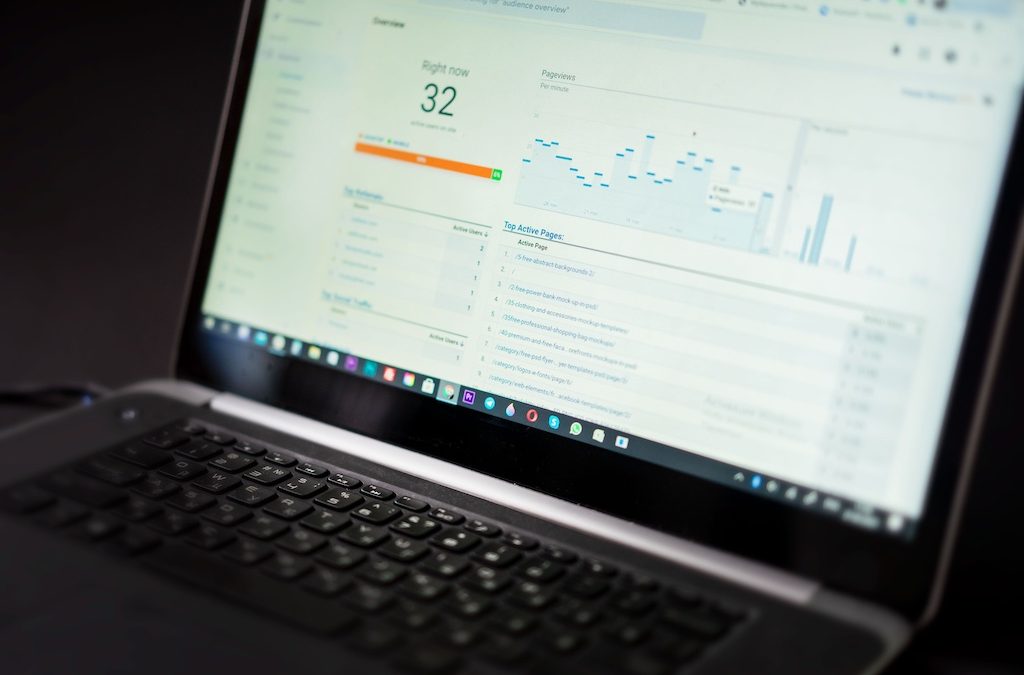
Few things rattle a business owner like watching organic traffic slide. One month, search is quietly sending you leads. The next, the graph is heading somewhere you’d rather it didn’t. Small wobbles are normal in SEO. A steep or drawn-out drop, though, is worth looking into right away. Below, we cover the top 10 reasons websites have a drop in organic traffic – and what to do about each. If ever you need tailored advice, call our friendly team at Key Light Collective today; we’ll keep an eye on all the details below!
1. Google Algorithm Updates Can Shift Rankings Overnight
How Core Updates Affect Your Search Visibility
Google tweaks its algorithm hundreds of times a year, and the big core updates can shuffle rankings in a hurry. If your traffic dipped right around a known update, that’s your likely culprit. Keep an eye on Google’s official announcements, and lean on tools like Semrush’s Sensor or MozCast to spot volatility and judge whether your site took a hit.
2. Technical SEO Issues Are Quietly Undermining Your Site
Site Speed, Crawlability, and Indexation Errors
Technical gremlins are common, and they hide well. Broken links, duplicate content, sluggish load times, crawl errors – any of these can stop search engines from indexing your pages properly. Google Search Console and Screaming Frog are your friends here. Run them regularly, and you’ll catch small problems before they snowball into ranking trouble.
3. Content Quality Has Declined Relative to User Intent
Thin or Outdated Content No Longer Meets Search Expectations
Search engines are always checking whether your content actually answers what people want. A page that once ranked nicely can slip when it goes stale, feels thin, or drifts out of step with how search intent has changed. Knowing how to analyze drops in traffic at the content level is key – auditing and refreshing your weaker pages is one of the highest-impact fixes for a slow, steady decline.
4. New Competitors Have Entered Your Space
Stronger Competitors Are Capturing Your Target Keywords
The landscape never sits still. A rival who’s recently poured effort into content or links might now sit above you for keywords you used to own. Look at where you’re losing ground, then work out how to win it back with better content and smarter keyword choices.
5. Key Keyword Rankings Have Slipped
Losing Position One – or a Featured Snippet – Has an Outsized Impact
A tiny slide on a high-traffic keyword can cost you a surprising amount of visits. A sudden drop in organic traffic often starts here – drop from position one to position three and your click-through rate falls off a cliff. Watch your rankings closely, and move quickly when your important keywords start drifting the wrong way.
6. Backlink Profile Changes Are Hurting Your Authority
Lost or Toxic Backlinks Can Erode Domain Trust
Backlinks still carry real weight. When trusted sites drop links pointing to your pages – or when spammy links pile up through negative SEO – your authority can take a knock. Audit your backlinks on a regular basis, and use Google’s Disavow Tool to cut ties with anything harmful.
7. Poor User Experience Is Sending Negative Signals to Google
High Bounce Rates and Low Engagement Affect How Search Engines Evaluate Your Pages
When visitors land, glance, and bounce, Google reads that as a page that isn’t pulling its weight. Confusing navigation, clunky mobile design, and slow interactions all drag your engagement down. Fix those, and you’ll please both your visitors and the algorithm – which usually go hand in hand anyway.
8. Local SEO Disruptions Are Affecting Geographic Visibility
Changes to Your Local Listing Can Remove You From the Local Pack
If you serve a specific area, dropping out of Google’s local pack can quietly choke your leads and foot traffic. This is something any local business lead generation agency in Houston– or anywhere else – will flag as a priority fix. The usual triggers? Mismatched business details across directories, an unverified listing, or a recent change to your Google Business Profile. Start there when local traffic dips.
9. Core Web Vitals Scores Are Below Google's Recommended Thresholds
Page Experience Signals Now Directly Influence Search Rankings
Core Web Vitals measure load speed, interactivity, and visual stability, and they feed into rankings. A weak score on Largest Contentful Paint or Cumulative Layout Shift can cost you positions you’d rather keep. Measure these, then optimize them as part of any serious technical cleanup.
10. Your Analytics Data May Be Misrepresenting What's Actually Happening
Tracking Errors Can Make Real Traffic Invisible – or Fabricate a Drop That Doesn’t Exist
Before you panic, check your tracking. A sudden drop in website traffic that looks alarming in your dashboard may not be real at all. A misconfigured Google Analytics setup, a missing tag, or a broken filter can paint a scary picture while your traffic hums along just fine. Always confirm the numbers are real before you go chasing a phantom decline.
Frequently Asked Questions
How Quickly Can We Recover Lost Organic Traffic?
It depends on the cause. Technical fixes can show up within weeks. Content work and link-building usually take two to six months before rankings catch up.
Should We Be Worried About Every Traffic Fluctuation?
No! Seasonal swings, holidays, and small algorithm refreshes all cause temporary dips. It’s the sustained drops – four weeks or more – that call for a proper look.
How Do We Know Which Of These Reasons Applies To Our Site?
A full SEO audit is the surest way to find out. Dig into your traffic data, ranking history, technical health, content, and backlinks, and the real cause tends to surface.
Start Diagnosing Your Traffic Drop Today
A traffic drop rarely comes down to one thing. It’s usually a few issues compounding quietly over time. The encouraging part is that every problem above is diagnosable and fixable with the right tools and a bit of know-how. Get in touch with Key Light Collective, and let’s figure out exactly what’s holding your site back!